 Ecología es una palabra acuñada por Ernst Haeckel en 1866 para describir las “economía” de los seres vivos. Viene del griego ‘oikos’ que se refiere a ‘casa’, ‘hogar’, ‘familia’, e incluye toda la unidad operativa. Para explicar el ecosistema, Anton Kerner tomó prestado el término humano de ‘comunidad’ y lo aplicó al ambiente natural y el conjunto de plantas y animales que lo comparten implicando ya el elemento de cierta armonía. Aldo Leopold decía que algo está bien cuando tiende a preservar la integridad, estabilidad y belleza de la comunidad biótica. Por ello entonces, ecología supone la comunidad de diversos seres vivos, interactuando entre ellos y con el medio ambiente; la interdependencia entre ellos y con el medio ambiente que va cambiando en consecuencia; algunos patrones discernibles de interacción saludable; y un orden basado en la naturaleza de los distintos agentes, que debe ser respetado y cuidado.
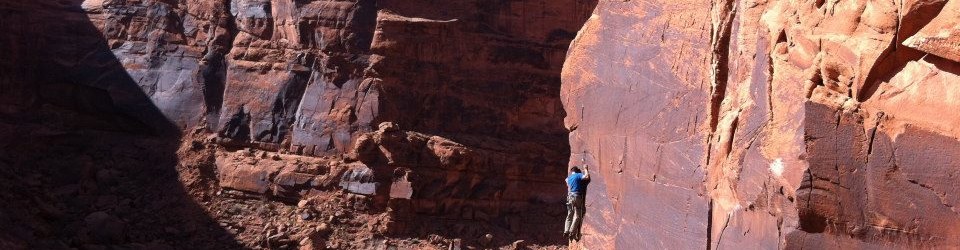
El ser humano ha participado de esta ‘comunidad’ desde siempre, interactuando y afectando su entorno al tiempo que su vida, su historia y su cultura iba siendo modelada también por el clima, geografía y las especies a su alrededor. Hoy, más que nunca, debido a la magnitud de su población y al alcance de la tecnología, la capacidad del ser humano para afectar el entorno, para bien o para mal es enorme. Pero esto no sólo se refiere a la actividad externa del ser humano. La naturaleza ha enriquecido el espíritu y carácter del hombre, sea por su serena contemplación o en épica confrontación como en los deportes de aventura. Del mismo modo, es cada vez más claro que para que las personas contribuyan al bien del medio ambiente, hay que apelar a su espíritu y nobleza, a su capacidad de sacrificar sus gustos e intereses por la integridad del planeta que compartimos.
Los seres humanos se asombran ante lo grandioso de la naturaleza creada y le reconocen un valor misterioso que va más allá de la mera utilidad. También reconocen que nuestra supervivencia depende de ella. Esta semana que se celebra el Día Mundial de los océanos recordemos que de ellos nos alimentamos, nos transportan, recrean e inspiran nuestras musas. Más importante y misterioso es su papel en el delicado equilibrio del planeta. El libro de la vida es uno. Debemos esforzarnos por lograr la armoniosa integración de la naturaleza y la humanidad. El medio ambiente, natural y humano, forma la ecología humana, el bien común en el que todos vivimos.