Daily Archives: October 1, 2013

Teacher Nature – El Comercio [Spanish] – Oct 1, 2013


Human ecology includes the natural environment and the cultural and social environment that embraces technology, the cities and human interaction. Thoreau, Whitman and Emerson are among the authors who have contributed to the romanticism of a bucolic ideal of nature that is steeped in peace and harmony.

It is true that in nature there is a rhythm, balance and harmony that teaches us much. The farmer knows to respect the land and climate and that plants and animals grow with a certain environment. He can influence with breeding techniques and grafts but in a limited way and respecting the mode of being of things. Moreover, the animals do not commit the absurdity of man who destroys his own habitat, pollutes his drinking water and hoards unnecessarily.

It is a common experience that whoever contemplates nature or gets immersed in it on excursions and camps, is filled with a certain peace and serenity that rescues him from the frenetic rhythms of urban life. Therefore, from the mid 19th century in Europe and America national parks began to be promoted to preserve areas of special beauty or recreational, scientific and educational interest.

More recent is the perspective that nature does not have to eliminate the human being from the picture. In the Galapagos, the local government has made a good effort to sort and integrate tourism and, local population and economy harmoniously with the ecosystem, facing off more traditional conservationists.

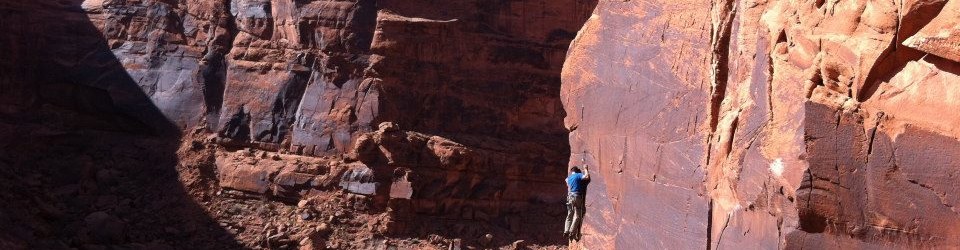
The advantage of nature is to have a natural order untainted by evil, which is only possible as a result of human freedom. But by the same token, nature is incapable of generosity, nobility and sacrifice. It is uncapable of wisdom, reflection and justice. Nature is relentless. Climbers say that the mountain is unforgiving. We should not be naive with nature. We must learn the good, but knowing how to contribute with the good of human freedom to complete and improve what it can offer.

Nature can be cruel. Some have used the idea of “survival of the fittest” with which Spencer renamed the “natural selection” of Darwin, to justify forms of social Darwinism. Certain forms of capitalism and racism are declared ‘natural’ building on these concepts. Therefore, as in other things, the proverb holds: “examine everything and keep what is good.”

Maestra Naturaleza – El Comercio – 1/10/13

La ecología humana incluye el medio ambiente natural y el ambiente cultural y social que abarca la tecnología, las grandes ciudades y la interacción humana. Thoreau, Whitman y Emerson son de los autores que más han contribuido al romanticismo de una naturaleza bucólica, ideal y que está empapada de paz y armonía.

Es verdad que en la naturaleza hay un ritmo, equilibrio y armonía que enseña mucho. El agricultor sabe que debe respetar la tierra y el clima y que las plantas y animales crecen con cierto ambiente y que se puede influir con técnicas de crianza e injertos pero de modo limitado y respetando el modo de ser de las cosas. Más aún, los animales no cometen los absurdos del hombre que destruye su propio hábitat, ensucia el agua que bebe y acapara sin necesidad.

Es una experiencia frecuente también que quien contempla la naturaleza o se sumerge en ella en excursiones y campamentos, se va llenando de una cierta paz y serenidad que lo rescata de los ritmos frenéticos de la vida urbana. Por ello, desde mediados del siglo 19 en Europa y América se empezaron a promover los parques nacionales para preservar áreas de especial belleza o interés recreativo, científico y educativo.

Más reciente es la perspectiva que la naturaleza no tiene que prescindir del ser humano. En las Islas Galápagos el gobierno local ha hecho un buen esfuerzo de ordenar el turismo e integrar la población y economía local de modo armonioso con el ecosistema, aún enfrentando conservacionistas de corte más tradicional.

La ventaja de la naturaleza es tener un orden natural no contaminado por el mal, que sólo es posible como consecuencia de la libertad humana. Pero por lo mismo, la naturaleza es incapaz de generosidad, nobleza y sacrificio; incapaz de sabiduría, reflexión y justicia. La naturaleza es implacable. Dicen los andinistas que la montaña no perdona. No hay que ser ingenuo con la naturaleza. Hay que aprender lo bueno, pero saber contribuir con lo bueno de la libertad humana a completar y mejorar lo que nos puede ofrecer.

La naturaleza puede ser cruel. Algunos han usado la idea de “supervivencia del más apto” con que Spencer rebautiza la “selección natural” de Darwin para justificar formas de darwinismo social. Ciertas formas de capitalismo y racismo se declaran ‘naturales’ apoyándose en estos conceptos. Por ello, como en otras cosas, vale la sentencia: “examina todo y quédate con lo bueno.